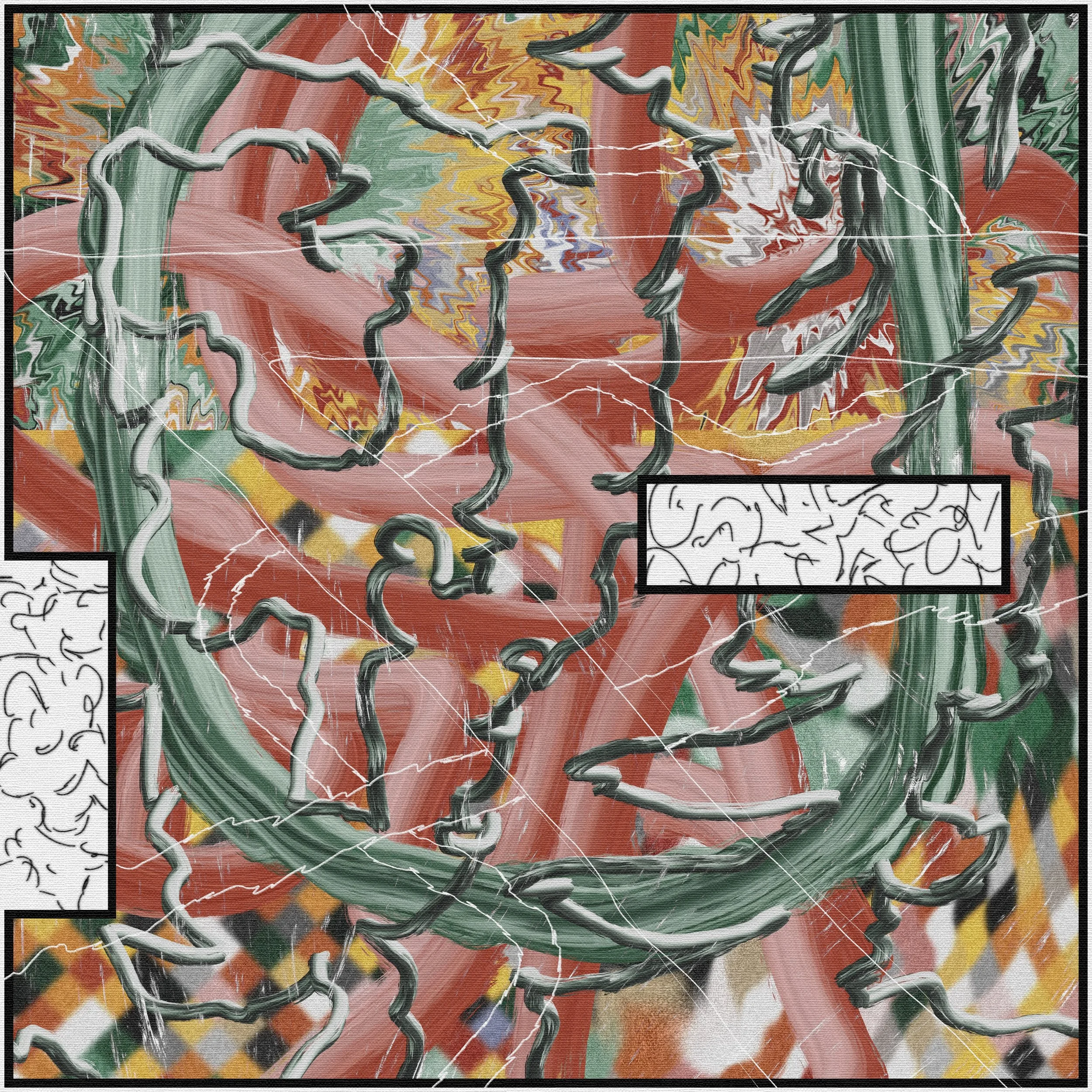
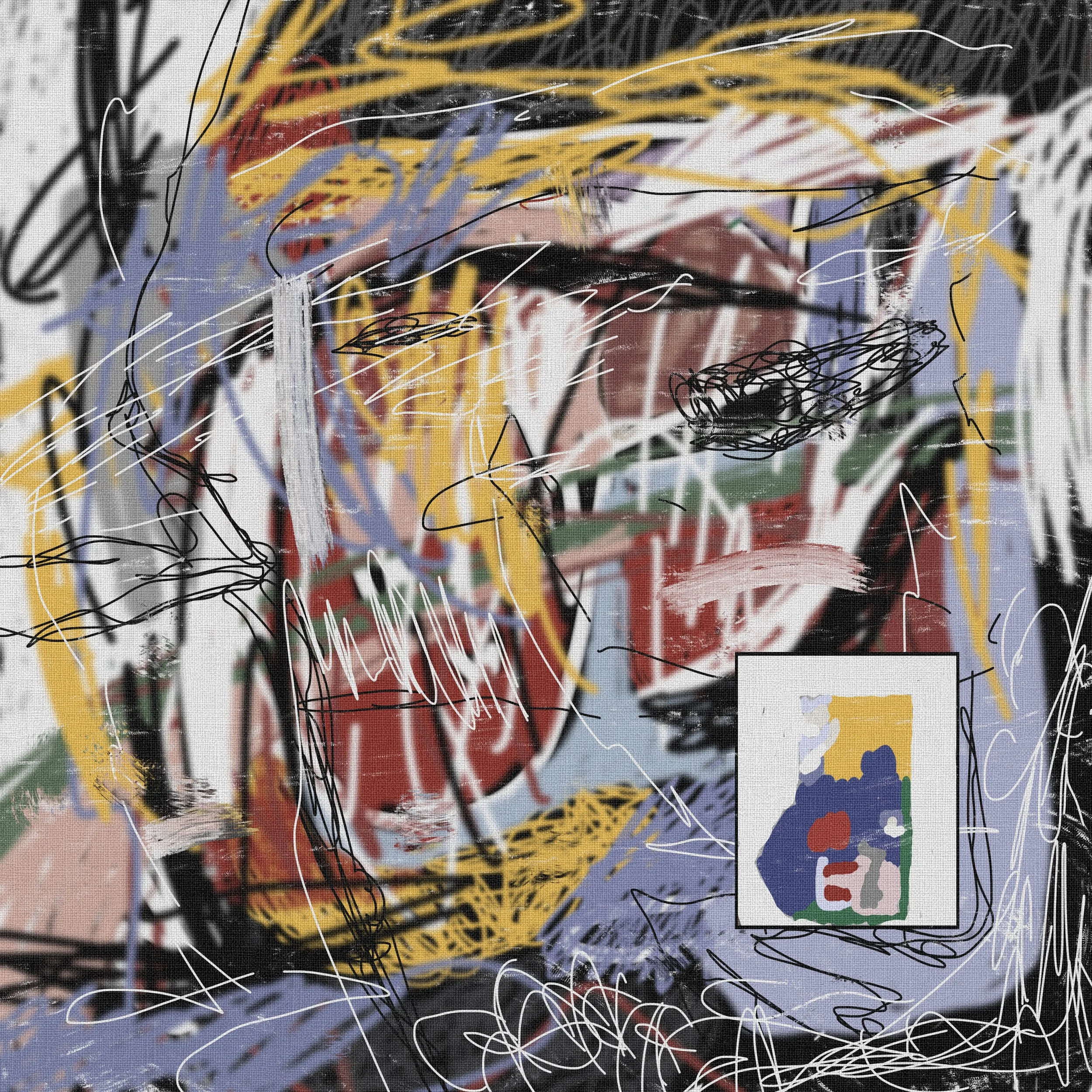
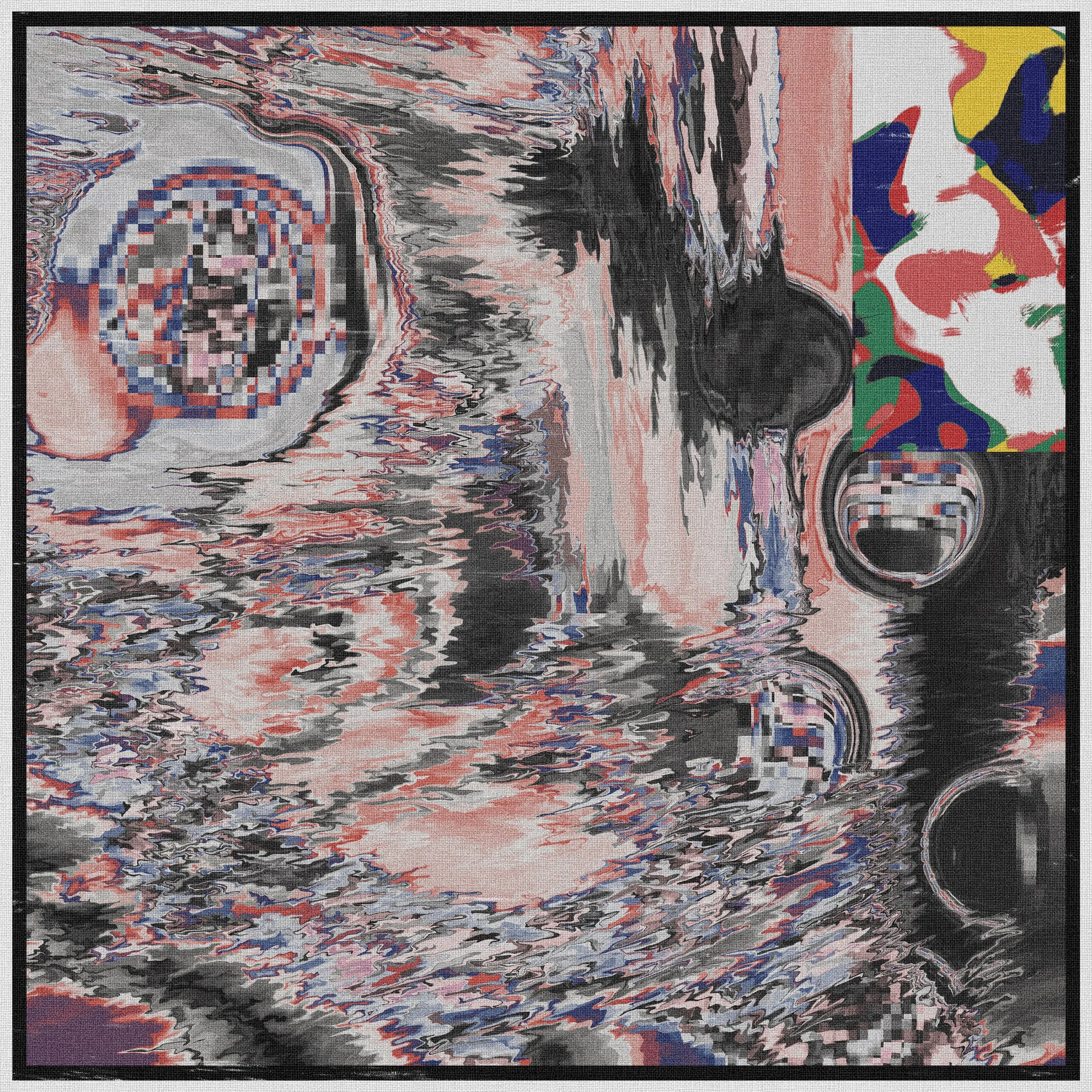
diptych
This series of works examines art as place, as social environment, as a space for you to live inside, no matter how briefly, through abstraction and 2/2 edition size.
When considered as a place, art inherits the power to create physical proximity between people, which is the root of every type of connection and relationship. Proximity is also an unavoidable interaction. It is impossible for two objects, two people, to exist in proximity of any kind without influencing each other in some way, however minute or undetectable. Over time, and according to the butterfly effect, these tiny interactions build in significance. Even the smallest nudge to our trajectory ultimately has profound consequences. The main focus of this series, then, is on the power and influence of art, not as a result of its direct theme or message, but through its role in creating a place where we can gather and influence each other.
This series is composed of editions of two, an extremely uncommon edition size in any art form for several reasons. Firstly, in physical art forms, it is very rarely possible for there to be two equal ‘originals’ of an artwork. One is almost always a copy or reproduction of the other. And reproductions themselves are rarely limited to editions of two, for both economic and logistical reasons. Furthermore, it is simply strangely intimate, almost uncomfortably so. It brings the presence of the ‘other’ and the social component of art into sharp relief, without letting that awareness be distributed across a collective. With editions of one, you are the sole owner, and though there is an intimacy with regard to the relationship between collector and artist, your existence as individuals is sheltered by your opposing roles within the structure of the relationship. In editions larger than two, your awareness of the ‘other’ is dissipated across multiple people, subduing the intimacy felt with any particular individual as they become defined by their group membership.
In the context of a traditional diptych, two pieces form one whole, but the halves are not identical, and if separated, become either incomplete or only loosely related to one another (i.e. it forms either one ‘double door’ into one space, or two adjoining spaces with their own doors, to make an analogy). In this case, the tokens themselves are distinguishable from one another, but the expressed content is identical. They present two doors into the same room.
Work that is born digitally, in combination with the use of non-fungible token standards, creates a relatively unique ability to highlight an intimacy that is diluted in most forms of commercialized art consumption, through the use of two equal originals.
While this series seems to highlight the separateness, the ‘twoness’ of the holders, it really celebrates their oneness, and the intimacy and tension that connects people. This becomes more obvious if we consider the expression of art as a traveling wave, as a vehicle for energy, as opposed to one for meaning, knowledge, or representation. Like a wave, art emerges from a complex storm of interactions, not a singular event, and responsibility for its existence can be infinitely extrapolated backwards through time. Additionally, a wave is continuous from its point of inception to its eventual arrival at land, which is to say that the reception of art is as equally a part of the work as its inception. The presence of two equal originals is akin to the double-slit experiment in physics, where a wave passing through two slits creates a complex interference pattern, altering the reception of the wave, even if it is slowed down so much as to only allow one particle to flow at a time. In the same way that the presence of both slits affects the rest of the journey of the wave, the presence of both collectors, and the connection between them, influences the rest of the journey of the artwork, and the ripples that it will create, in a way that is not equal to the sum of its parts.
Available works at: (Releasing Jan 6th on objkt.com)